

On Exploration
How to design for it, what makes it fun, and other meanderings

Note: I am not a video game developer. I'm only sometimes a TTRPG developer, and even then, mostly for the sake of my own home game. I'm a laboratory technician and an internet asshole. Development is hard, and my intent is not to throw shade at developers who take their shot at it, merely to point out weaknesses that often pervade videogames and TTRPGs. As I am not a game developer, I don't know how useful this can be for designers, but hopefully it encourages some thought on the subject of exploration, how to do it well, and how it has been done poorly.
Also, This is going to be a long post that won’t fit in your inbox. Sorry about that. Actually, no I’m not. I’m proud of it.
Not many games make exploration a core pillar of gameplay. Of those that do, very few do it well. The reason for this is simple: Developing a game around discovery is a pain in the ass. It doesn't matter whether that game is a TTRPG or a video game, exploration is perhaps the hardest pillar of gameplay to develop for. This is because it can encompass so many other mechanical and design challenges depending on the kind of exploration you want to design your game around.
If you want mechanical exploration for example, you need to build in mechanisms that encourage an exploration of those mechanics. For a game like Angry Birds, that is probably relatively simple, but for Dark Souls it requires balancing a massive number of play-styles. Do you want to play a character that uses magic? How about swords? Or maces? Or hammers? One handed or two handed? Do you prefer dexterity or strength? Do you have friends helping you? Are you online? Do you like your current equipment or do you want to use that sick Uchigatana? All of these questions and more matter in a game like Dark Souls, which is in part, about exploring the full combat sandbox.
Geographical exploration has its own set of design decisions. Art style, graphical capability of the user's computer, level design, all of these things need to be accounted for in order for the geographical exploration component to work properly and that is before getting into the principles this post is meant to cover. As you layer things on, the more you have to account for.
This post is meant to focus on geographical discovery and what makes it fun, as I think of all the different kinds of exploration this is the one that video games and TTRPG struggle with the most. A lot of games do a great job encouraging players to interact with multiple facets of their mechanics. Still more do a good job getting players to interact with their narratives and their content. But very few are good at getting players to interact with their environments.
So, let's go back to basics and first principles and ask ourselves what makes geographical exploration interesting to engage with?
The Pillars of Exploration
I think that there are essentially five pillars or levers game designers and GMs can use to making exploration fun and engaging to interact with: External Pressure, Curiosity, Novelty, Challenge, and Rewards. These five pillars are not all equal, and which pillars you focus on will change from one game to the next, but these are (I believe) the major pieces to making exploration something fun to engage with. So, let's tackle them one by one, starting with what I believe is the most underutilized while also being the largest real-world factor behind exploration.
External Pressures
History
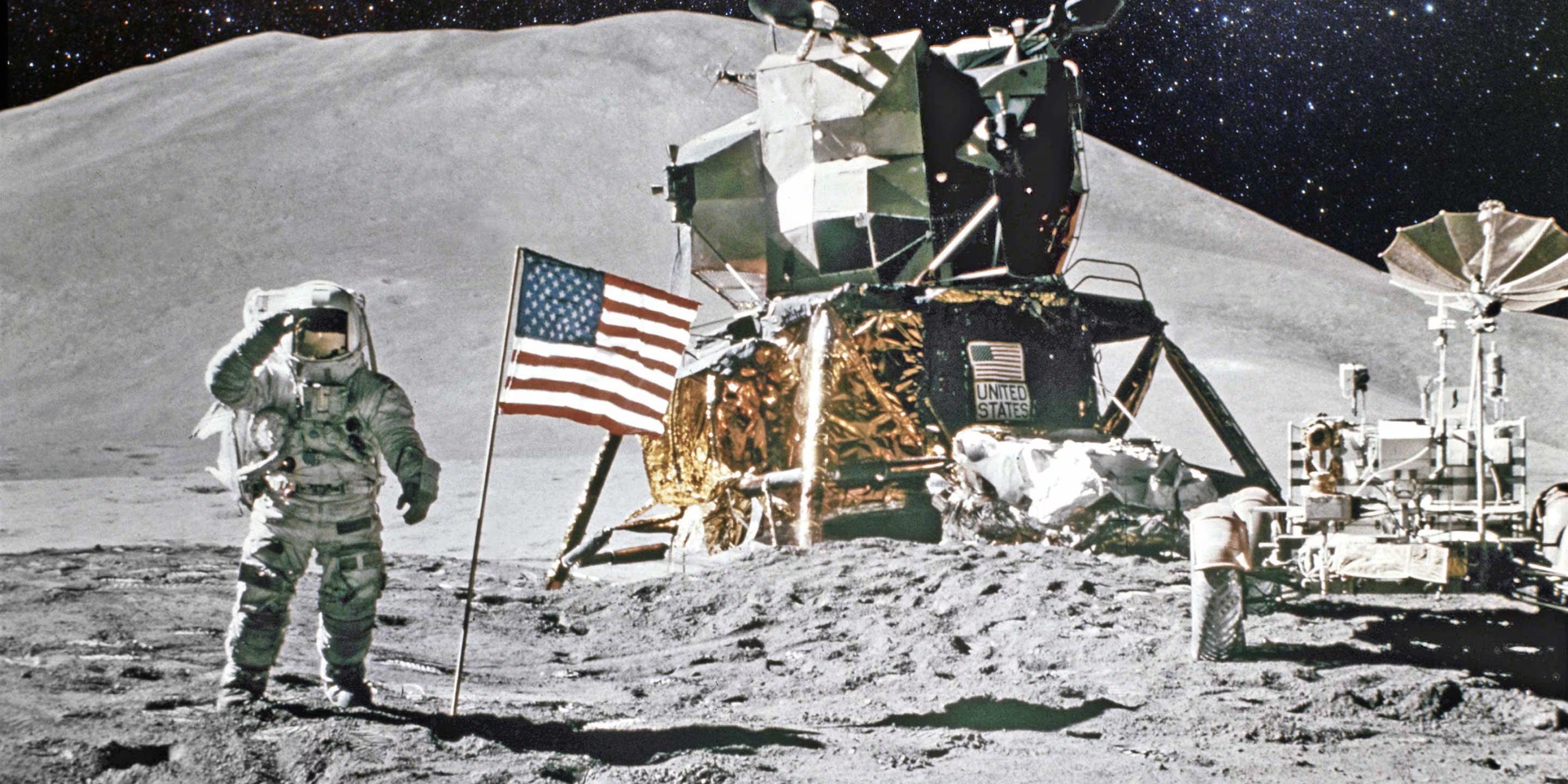
On July 16th, 1969, Neil Armstrong became the first man to step foot on the lunar surface and he uttered the famous words "One small step for man. One giant leap for mankind." It was an incredible achievement. But that achievement did not happen in a vacuum. Instead, it was the result of a series of external pressures on the United States, with the largest of those pressures being a cold war with the Soviet Union.
In the aftermath of Hiroshima and Nagasaki, the US was the dominant world power largely due to its ability to create and utilize nuclear weapons. This wasn't to last however, as the Soviet Union promptly stole schematics for those weapons in order to advance its own political and military interests.
Thus, two superpowers came to hold weapons capable of destruction on a scale that is almost unfathomable. Politically and Ideologically, both sides felt the other was an existential threat to their sovereignty. Neither could back down. But, at the same time, to actually use nuclear weapons was... unconscionable. An act of mutually assured destruction, guaranteed to end the world as we know it. So, the Cold War stayed cold. In the absence of brute force, newer and more subtle weapons needed to be utilized, be they economic, psychological, or sociological. Both sides needed to deter the other, keep pace with the other’s scientific achievements. Both sides needed to project force, and and show the power of their missile programs. Both sides, needed to advance their cause and demonstrate their power both at home and abroad.
Thus: The Space Race. As a conflict, it ticked all the right boxes. It offered both countries cultural victories and gave civilians a sense of cultural pride. It offered both countries ways to demonstrate their missile capability without directly escalating The Cold War. It gave both countries an excuse to pour money into research that had military applications while still being “Civilian” in nature. Potentially, it even offered a chance to take the ideologies of both sides, and expand them out across the universe at large. It was manifest destiny, spread to the final frontier.
So why open this post up with a history lesson? Well. Three Reasons. Firstly, it offers me a chance to talk about space, because space is really cool. Secondly, it offers an insight into how real exploration actually works. And finally, I chose this time period specifically, because it best demonstrated the two types of external pressures that matter in game exploration: Mechanical Pressure, and Narrative Pressure.
Narrative Pressure
For the moment, let's stick with narrative pressure. Everything I mentioned above about the Space Race is narrative pressure. It is the story we tell ourselves about why the exploration needs to occur. It has nothing to do with practical concerns and everything to do with our understanding of economics, sociology, politics, and history. It is, in short, context. When designing exploration as a feature, context matters. Before NASA could consider landing on the moon, it first had to sell that idea to Congress, who had to sell the idea to the American people.
Historically speaking, people only go exploring when they have to. There are a few oddballs out there that come down with a terminal case of wanderlust, but most people need a reason to step outside their door and go on an adventure. That reason can be war, that reason can be cultural, that reason can be that a wizard needs their help wrangling dwarves and stealing from a dragon. But without a reason, most people won't get past the first step. What those reasons are will depend on the kind of game you want to make, and the tone you are trying to hit. To that point, if you can, tie your need for exploration to a specific theme of your game. Thematic subtext can add a lot of weight to narrative pressure, and can inform player decisions.

In Red Dead Redemption 2, the tone is one of gritty western realism, and the world design explores themes related to that. The characters are fleeing the law. They want to be free from the civilization that they feel is holding them down and erasing their way of life, and they have to navigate interpersonal relationships in that backdrop.
In Witcher III, Geralt needs to help Ciri. The Bloody Baron questline holds up a mirror to Geralt, and asks “What kind of father will Geralt be when he finds her again?”
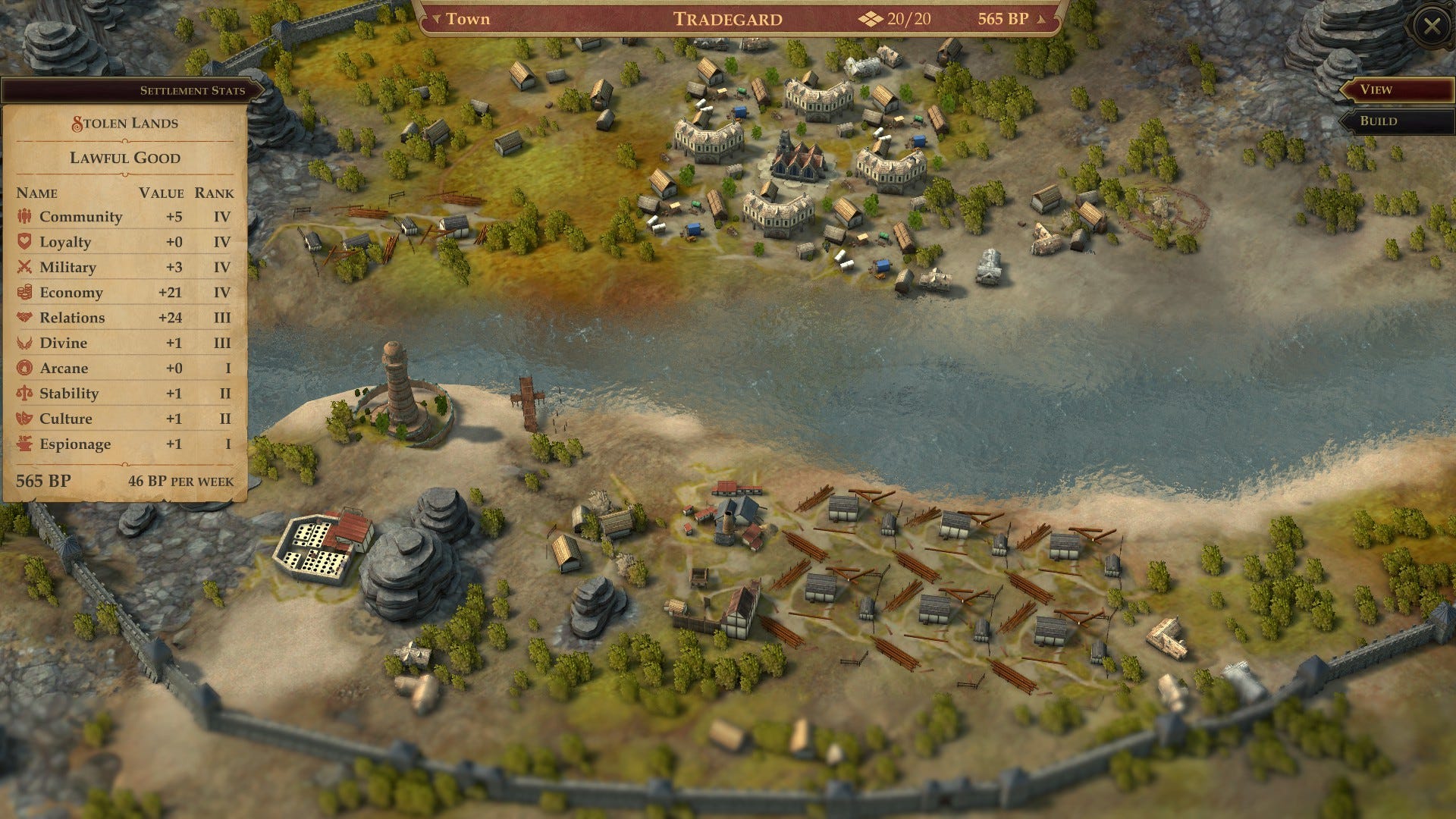
For a less personal context, Pathfinder:Kingmaker, offers the player character the fantasy of being able to build up their own kingdom, then it layers in themes surrounding that, asking players what it means to be a good leader and how should society be structured? Can a good ruler do bad things for the greater good, and if so, when is that justified?
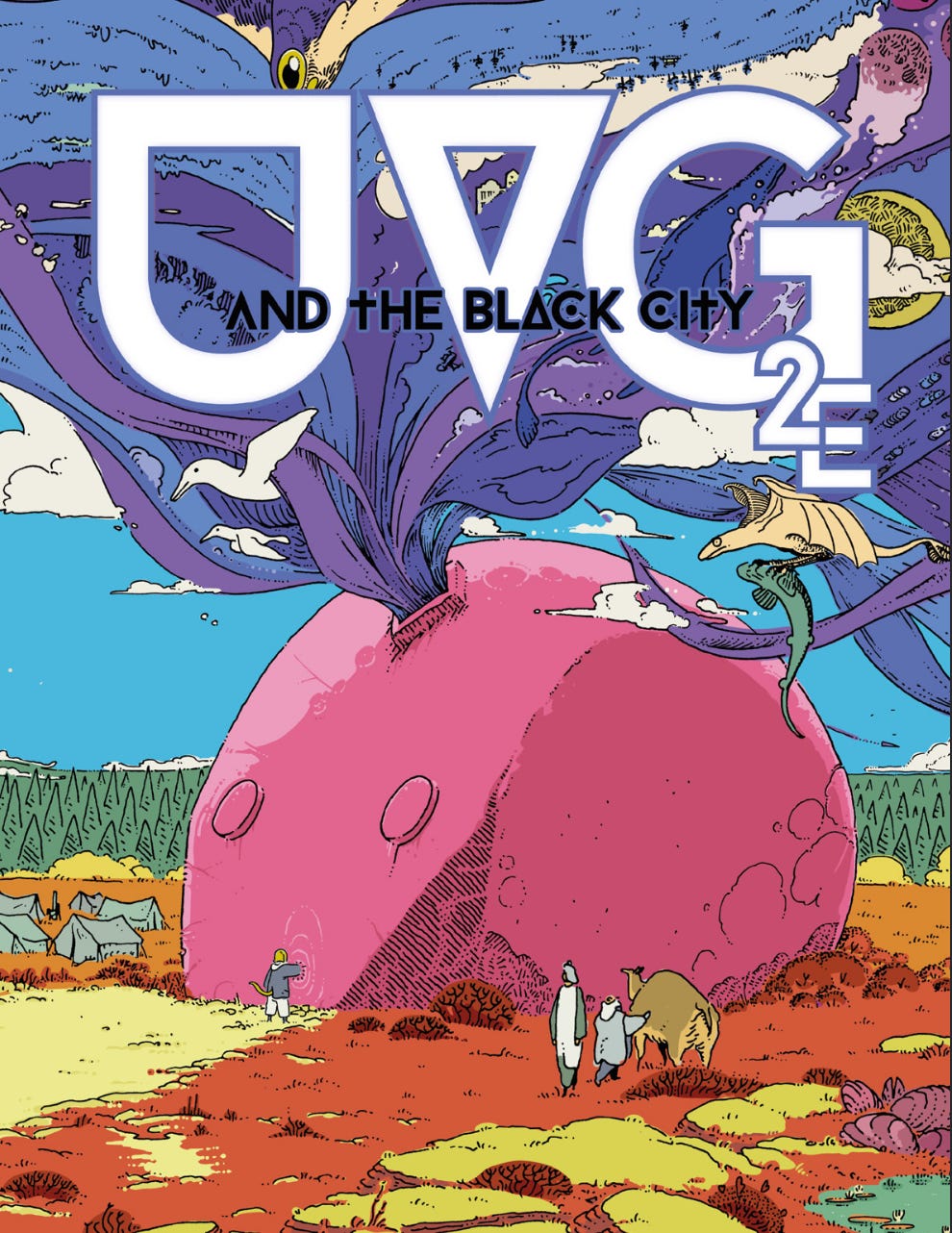
In the TTRPG space, Ultraviolet Grasslands gives players a goal of reaching the Black City, and plenty of little rabbit trails to explore. The thematic connective tissue is left for the GM and players to build in themselves, but there are enough tools that it's relatively easy to construct those themes if needed. The end goal also isn't given a narrative clock, so players have plenty of time to explore and GM's have plenty of tools to flesh out that exploration.
It is worth noting that with all of these examples, the goals are clear. They might be broad, but the end goal is communicated to the player on both a mechanical and narrative level: Leave before the law can catch up with you. Find Ciri. Build your kingdom, and defend it. Get to the Black City.
There may be sub-goals: Rob this bank, get the money you need to get to Skellige, kill these trolls, solve this murder, etc. But the overarching objective is clear. From there, you can experiment with layering in personal motivations and more localized concrete quests. The king may want the forest explored (broad goal), but to do that, the villagers need this specific hollow cleared of goblins (focused, concrete sub-goal).
It is important to note that Narrative Pressure isn't the same thing as story. Rather, it is the context and motivation in which a story can take place. In some cases, that context can be broad and impersonal. Plenty of TTRPG campaigns have been built off of "You are a broke fighter. There is a dungeon. Go get some treasure." Other times, that context must be very personal. "Ciri is in danger, and I need to help her."
Story on the other hand, is the experience of your players within the context of narrative pressure. The narrative pressure is that the villagers need someone to go repossess the Kobold's cave. The story is how that all went horribly wrong and the Wizard accidentally cooked the Bard when he cast Fireball in an enclosed area.
Bringing this back to exploration: narrative pressure can be a tool to encourage exploration, but many games forgo this for one reason or another. Cyberpunk 2077 for instance doesn't encourage exploration in its narrative pressure or in its story instead it opts to focus on the main quest. Encouraging players to explore the world is left to other pillars.
This kind of design always irritates me, since having off-ramps that encourage exploration should be something fairly simple to write into a game, and these games almost always rely on a false sense of urgency to push the story forward. This directly contradicts the exploration goals that many of these games have baked into them.
However, that isn't to say that a sense of urgency is a bad thing. Pathfinder: Kingmaker and Outer Wilds both use time elements to encourage player exploration and introduce challenge into their design. In Kingmaker, it forces players to focus on their kingdom's needs and focuses the exploration instead of encouraging endless wandering.
Outer Wilds on the other hand uses the time constraints to encourage player skill and pace gameplay. Both require a sense of urgency in order to finish the game, but neither of them uses a false sense of urgency to discourage exploration.
TTRPGs though, often rely on the dungeon master to enforce reasonable consequences for a lack of urgency. Sometimes these consequences can be covered by a module or adventure, but most of the time, such demands are out of scope for a given project.
Mechanical Pressure
If The Space Race is the narrative component to my example, space itself is the mechanical component. Space is fundamentally unlivable. It isn't just the vacuum. It isn't just the temperature extremes. It isn't just the radiation, or the gravity, or the micro-meteors. It's all those things working together to kill both you, and everything else. Those pressures, when applied to games, force exploration and creativity. What kind of exploration, and what kind of creativity depends on the type of game you are making.
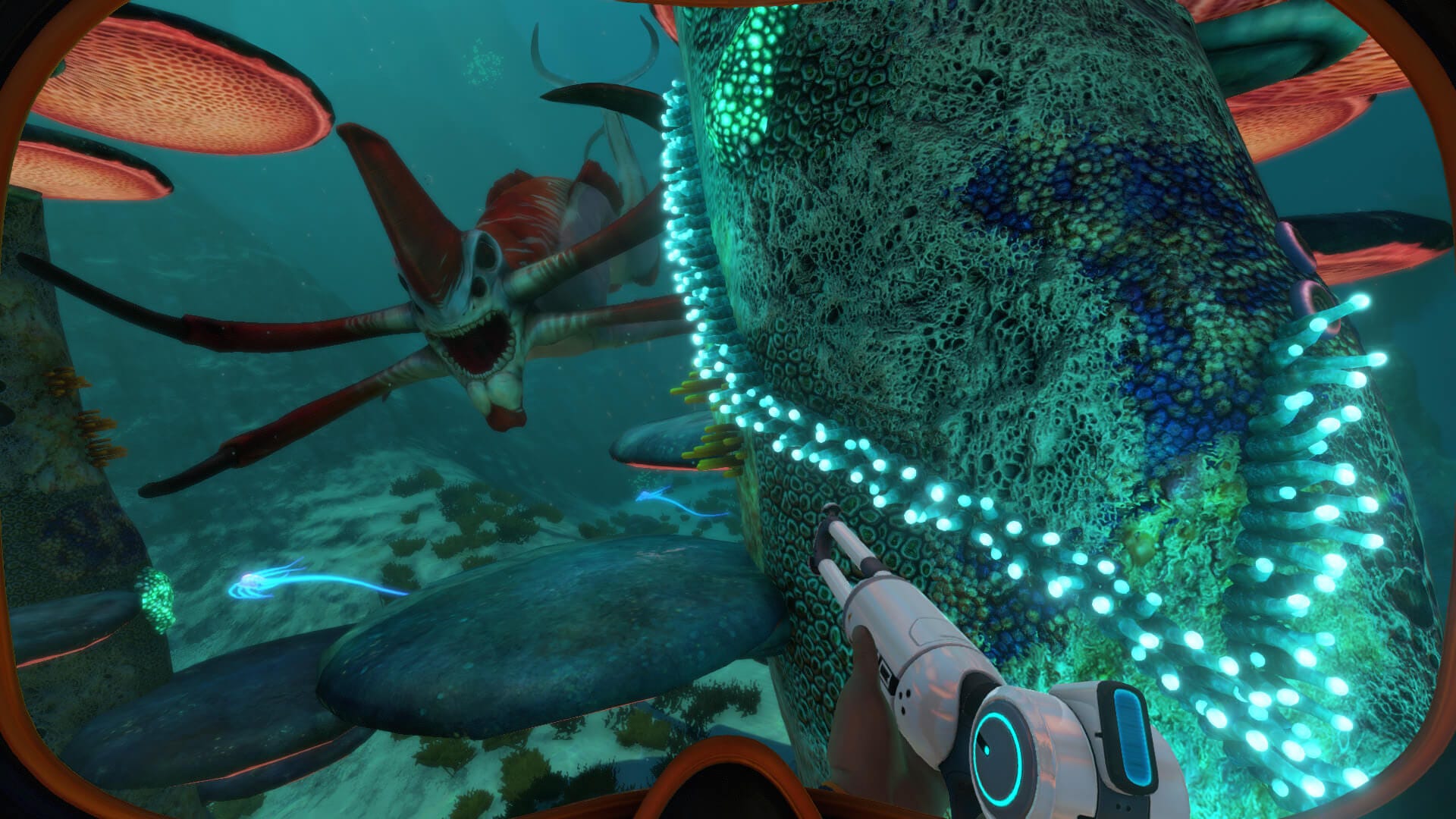
For games that use mechanical pressure to force exploration, let's look at Subnautica. Sure, you can survive by sticking to shallow water, avoiding exploration, but if you want to actually escape you are pushed deeper and deeper beneath the waves and into more and more dangerous territory. A lot of survival games are like this, and require players to eat food, drink water, and prepare against the elements. All of these are mechanical pressures, which are used over narrative pressure to force players out of their comfort zones.
This actually leads to an interesting difference between mechanical pressure and the other pillars of exploration: It's a negative feedback loop. Properly tuned mechanical pressures don't just encourage exploration, they require it. The key piece of that statement though is "Properly tuned." Remember, if players have the opportunity they will optimize the fun out of a game. If the mechanical pressures are too light, there isn't anything disincentivizing players from just ignoring exploration entirely. And if the mechanical pressures are too punishing, it will actively discourage exploration for most people. With few exceptions mechanical pressure alone can't sustain exploration.
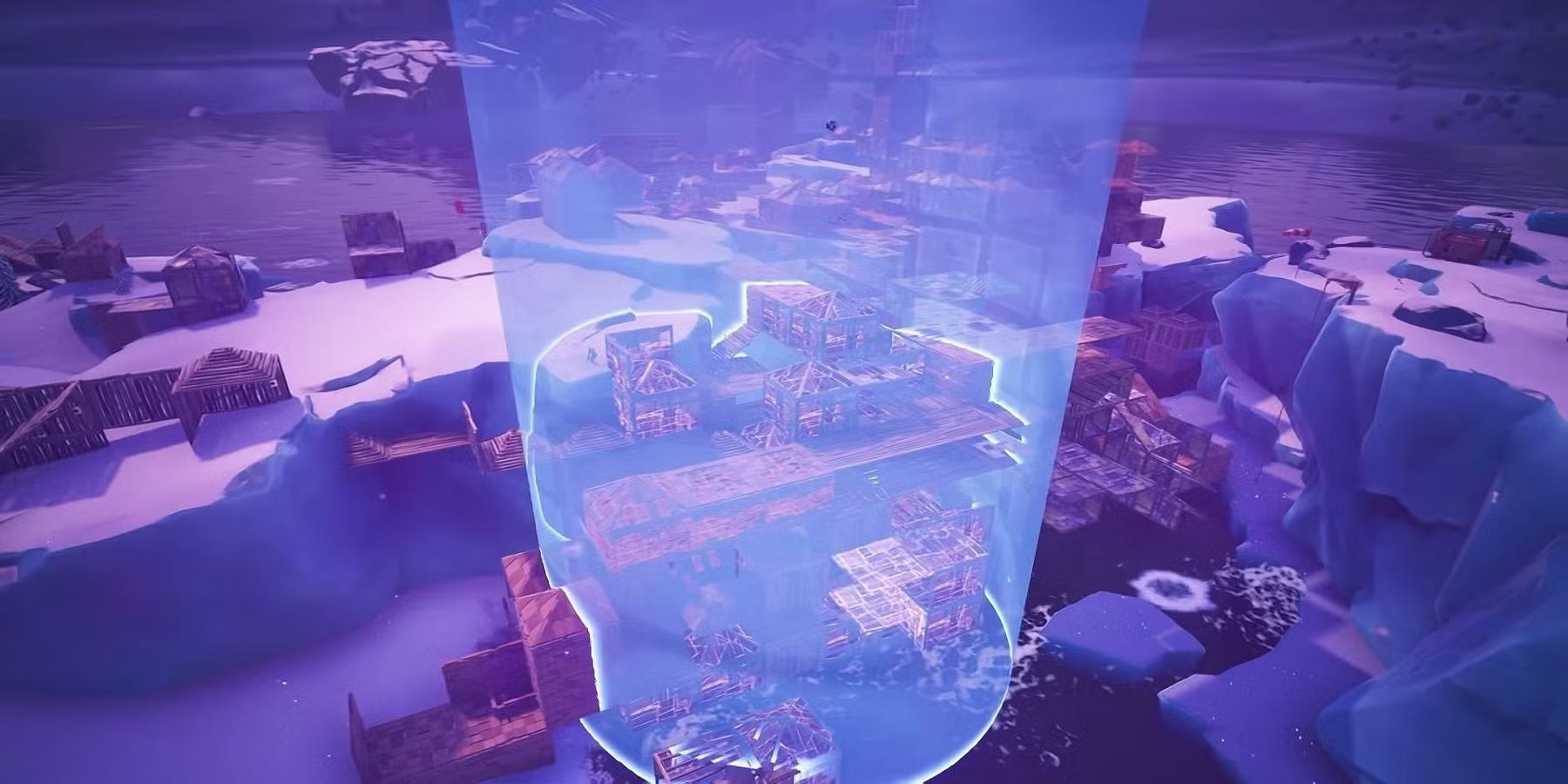
That said, there are exceptions. Take Fortnight or Apex Legends for example. While they are not strictly speaking exploration games, Fortnight and Apex both use environmental threats and shrinking levels to keep players in constant contact with each other. They always need to move into new territory and look for better gear to survive against their enemies.
As for games that use external pressures poorly? Well.... Most of them if we are honest, and open world RPG's are probably among the worst offenders. Instead of using mechanical pressure to encourage players to explore their environment, most Open World RPGs instead opt to use narrative pressure to encourage exploration, and then sprinkle out a bunch of filler checklists for players to interact with when they get bored and need a quick dopamine hit. This strategy isn't meritless, but it usually leads to problems in the long run. (I could do a whole post on this, and I might at some point, but for the moment I'm going to leave it there, as a full discussion is beyond the scope of this post.)
This means that in some ways, narrative pressure can become something of a "safe" option. It's the developers taking the player by the hand and saying "It's alright, this is the intended experience, you should be able to handle this where you are right now." It is what developers use instead of mechanical pressure. However, good game design tends to make use of both.
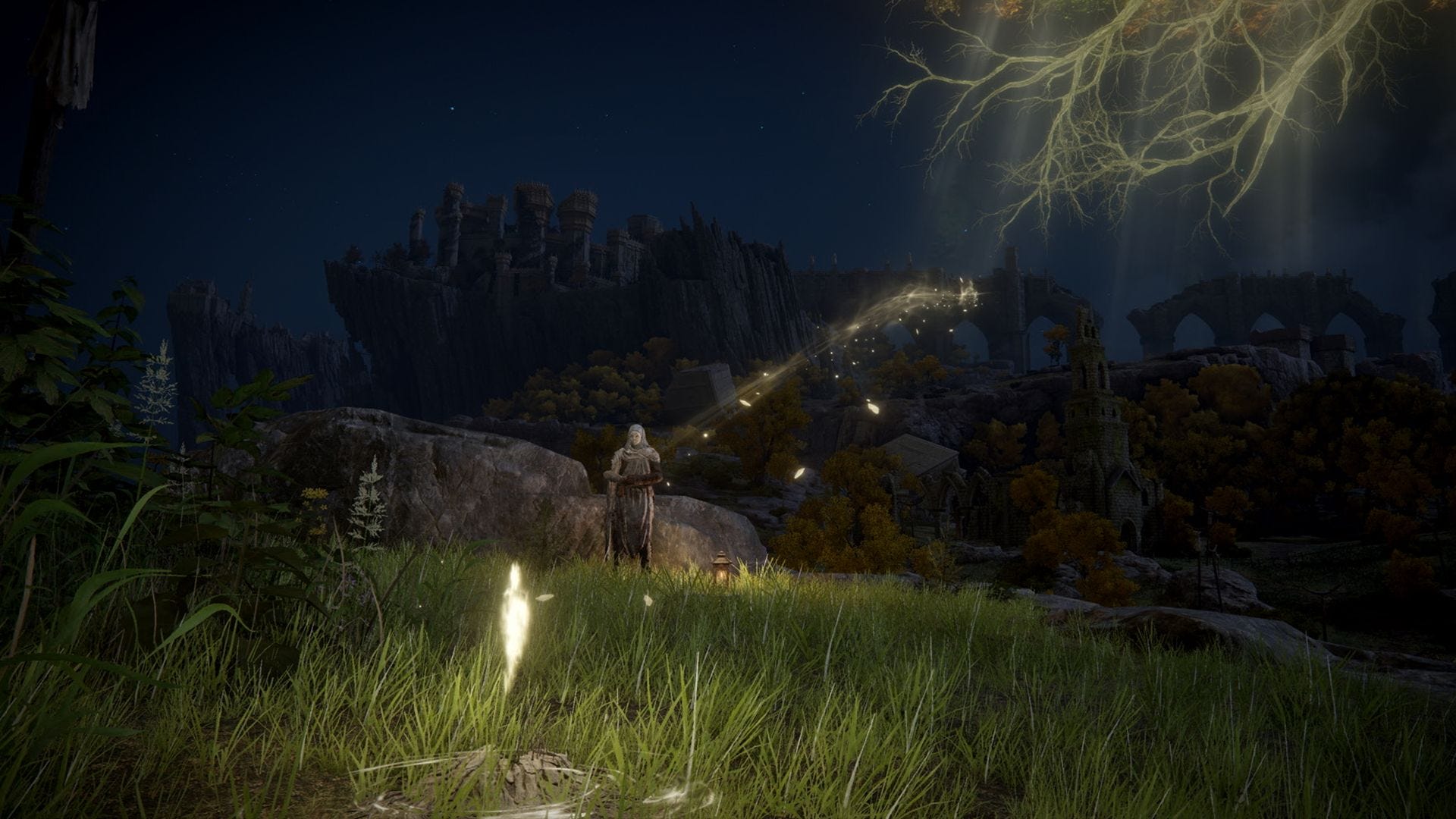
Consider for a moment, Elden Ring, which uses both a narrative component to establish the rough direction players should go, but then complicates that by putting a number of challenging bosses in the way, that will require most players to either find a different route, or explore the surrounding area to gather the strength needed to overcome the bosses.
One final note, the point of external pressure is to encourage players to take risks. It is not to force them down a single path. It is a tool, not the tool. Sometimes you need a carrot, sometimes you need a stick. If you use one when you need the other, you are probably in for a bad time.
Up until now, most of this has been geared towards video games, but there are applications to be had with TTRPGs. External pressure can be a difficult tool to manage in TTRPGs. If there's too much Narrative pressure, it can feel like the GM is simply directing the course of events and killing any degree of player freedom. On the other hand, too much mechanical pressure has a way of killing off Player Characters. In a video game, if you die you usually have an option to reload. Games like Dark Souls and Elden Ring even make death a core part of their gameplay loop to encourage exploration. That is a lot more difficult in a TTRPG setting. Removal of death in most TTRPGs, also removes all sense of stakes, and too many external pressures can feel like losing agency.
That being the case, my suggestions to both GM's and Game Designers are fourfold:
Communicate with your players about your expectations for the campaign and what they want to do knowing those expectations.
Use external pressure to provide options and consequences. "You can choose to save the princess, or you can deal with the goblins in the next town over. But the princess will die if you don't save her, and it isn't reasonable to expect the villagers to sit around and wait for you to come back in a couple of weeks." Without options, players lose agency. Without consequences, you don't have external pressure. This is a balance. Not all games will hit the same balance. Sometimes Phil is having a rough week and just needs a night of easy gameplay to unwind over. Other times, Todd needs reminded that actions have consequences and punching the local judge might not be the best idea. Use your best judgement as to whether to use a carrot or a stick.
Most games have external pressures built in, in the form of survival mechanics and resource management. Players without gold to buy supplies will need to find work. Everything on a character sheet is a resource that a GM can mess with. That doesn't mean they should mess with it, but if players are stagnating, sometimes it's best to kick them out of their comfort zones. They are here for adventure after all.
Lastly, TTRPGs have an unparalleled degree of flexibility when it comes to blending mechanics and narrative. A disease that causes players to take a -2 to all rolls until healed can be both a narrative beat and a mechanical encouragement towards exploration.
Video Game Side Note: The realities of working under a budget and on a set schedule mean that it isn't always feasible to implement and test external pressure features for a video game. The point of this is to help more developers realize it is a tool in their pocket in the first place, and from there decide if it is the right fit for their game. Narrative Pressure is a popular workaround for a reason. But there are plenty of games that probably would be better for having a mechanic that gently encourages exploration.
Novelty
Now, let's talk about the next motivator for exploration. Novelty is the feeling you get when you find something new, something you haven't seen before. Something cool. That could be a new weapon, in which case novelty is blending with reward. It could be a new vista, a view that a player has never seen or didn't expect, which might feed into player curiosity. It might be a new boss, with a cool move set, in which case, it is probably novelty mixing with challenge.
The purpose of novelty is to provide a range of states for players. A forest with nothing but trees and grass is not a fun region to explore. A rift splitting the region in two, providing navigation challenges, opportunities for new art design, landmarks, and combat encounters is much more interesting, at least for a time. Once players are more familiar with the area, you need to find ways to encourage them to leave, or find a way to twist the area into a new context that shakes a player's understanding.
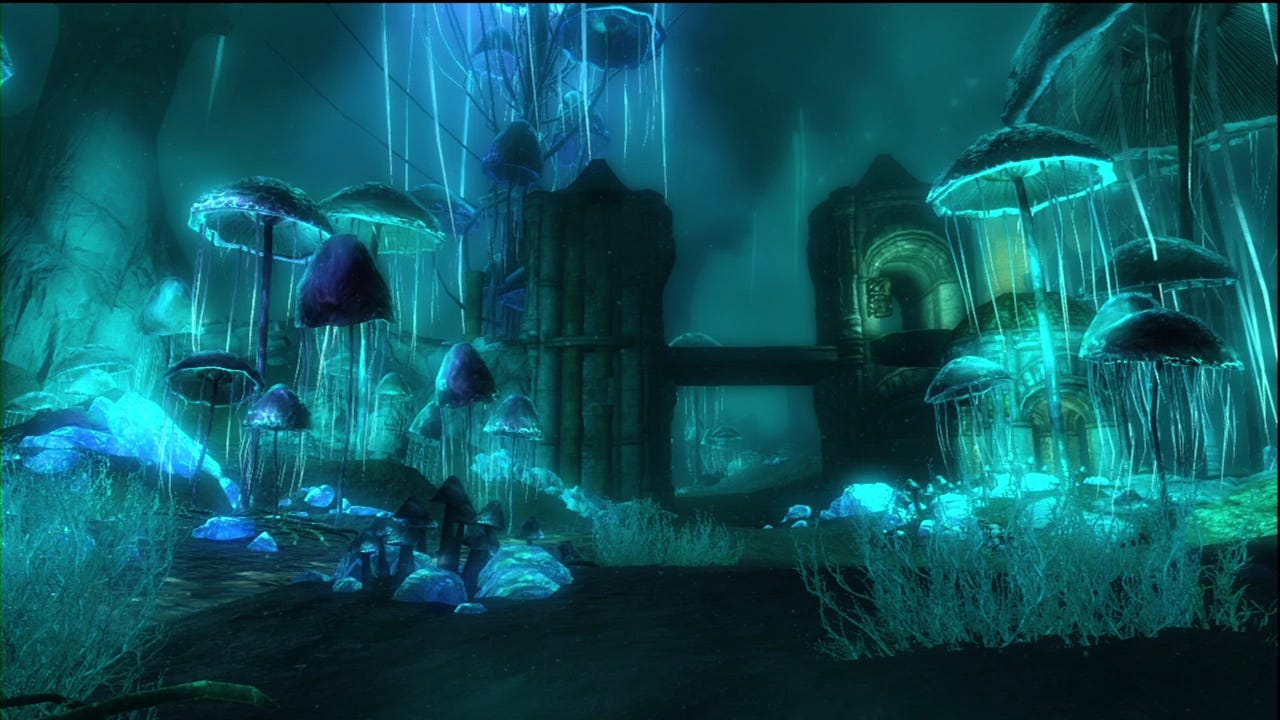
An excellent example of novelty is Blackreach in Skyrim. The zone comes late enough that players may be getting tired of the Skyrim's various regions and gameplay. But, when Blackreach is discovered, it encourages deeper exploration of other areas, not just Blackreach itself, in case something equally interesting presents itself. Fallout 4 does the same thing, but a lot more evenly, offering up a number of different dungeons to players, with each one feeling different from the others. There aren't many large "Spikes" in novelty, but each new area is different enough to be distinct and while keeping players engaged.
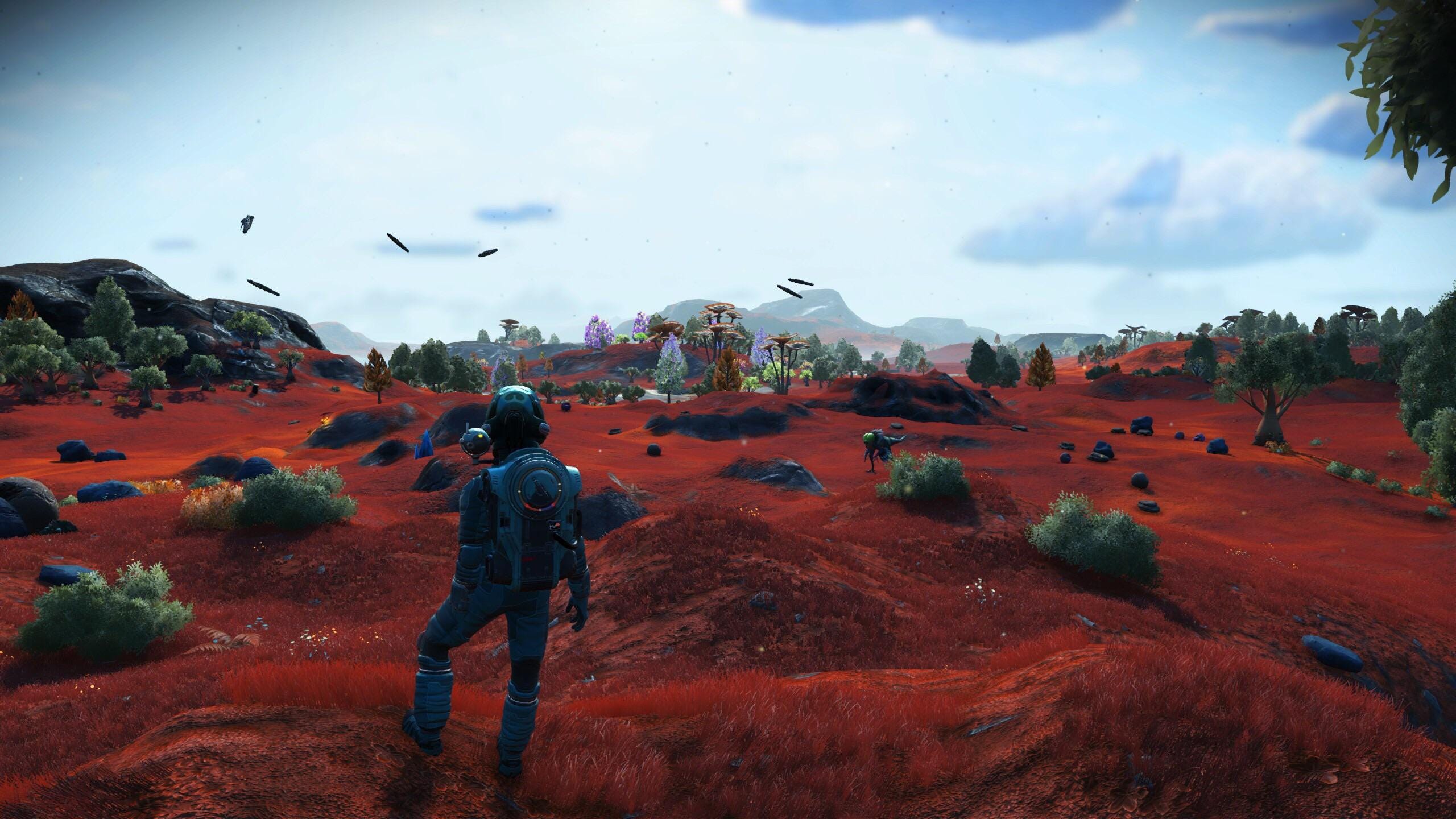
On the other hand, a bad example of novelty is much of No Man's Sky. While the procedural generation has gotten better over time, the planets don't usually feel unique to me. Each one feels like the same planet, but with a different coat of paint on it. This one has a lot of bright colors, this one has a few more animals, this one has one has a radiation hazard, this one a heat/cold hazard, this one a toxic hazard, but they all work the same way, and I'm expected to do roughly the same thing on each of them, for more or less the same reward. It makes NMS feel smaller than it is, because the variety isn't varied enough for the size of game presented.
That said, there can also be such a thing as too much novelty. New mechanics, new locations, new art styles all can become overwhelming for some players if there isn't enough context for them to grab hold of. Remember humans like the familiar, but they also like the new. Secondly, novelty takes time and money to implement. New mechanics need play testing. New locations need dev time. New items need balancing passes. Coming up with art for all these locations, weapons, etc. is both time consuming and expensive. The best thing you can do is make the stuff you build impactful in other ways.
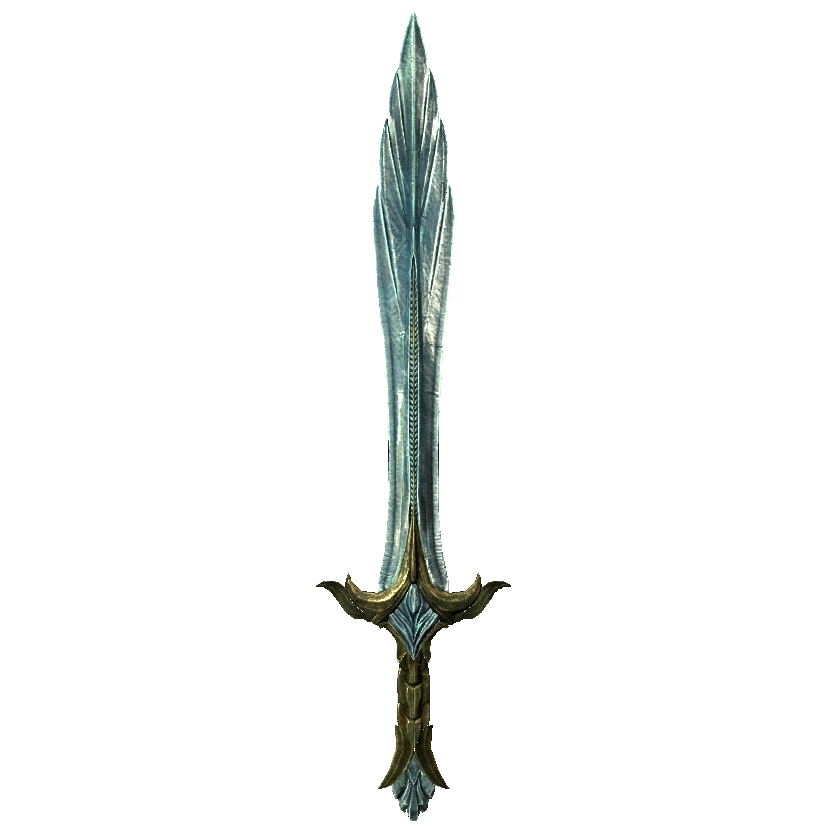
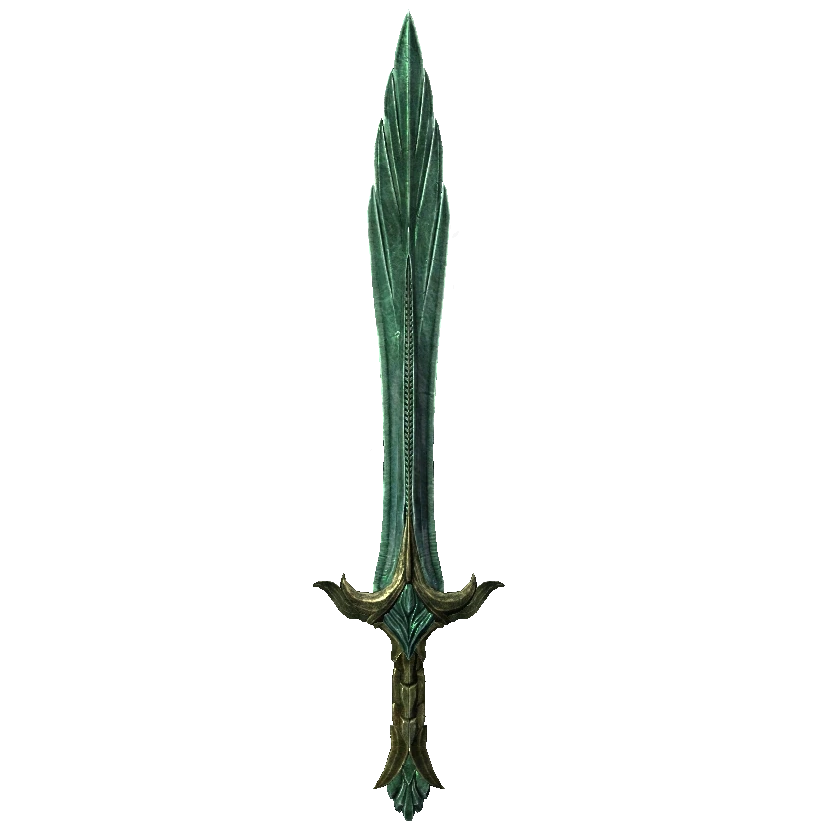
Going back to my Skyrim example, the weapon Chillrend uses the same model as a glass sword, but instead of being green, it's blue and it has a unique enchantment on it. Small decisions like this are easy ways to get novelty on a budget.
On the TTRPG front, how good a game is at providing novelty is often GM and setting dependent. A good setting (such as Dolmenwood or Ultraviolet Grasslands) will provide a lot of novelty in its use of art, locations, items, etc. But it's up to GMs to interpret that novelty into something that works for their table. This can be challenging for newer DMs, especially since they rarely have the advantage of art that fits their newest location and creating something yourself is usually quite a bit of work. There are work arounds though:
Prewritten adventures and settings can free up some mental space for GMs while providing enough structure for them to be creative. Though GMs should be aware that not all adventures are created equally.
Giving players cool stuff they wouldn't normally have access to at low levels is an excellent way to add novelty to a campaign. Just make it a limited resource. A wish spell is something most players will never see, but giving them a limited use at level 1 will stick in their memory forever. It doesn't have to be a wish spell either. Magic items, weapons, and even favors can be excellent ways to give players a feeling of progression and novelty.
The one thing TTRPGs can consistently beat video games at is reactivity. If player decisions matter, have consequences and can come back to screw with/save the party, that is novel to most players.
Exploration without novelty is just a treadmill. You have to have some variety and novelty to your game, otherwise you can't expect for exploration to be a significant part of it.
Reward
Rewards are another way to encourage exploration, and it's often used in open world games in lieu of other methods of encouragement. The problem is that this is often undercut with bad design decisions. Part of making a reward rewarding is novelty, but many games have instead opted to homogenize content, confusing quantity with quality.
Loot
As an example, let's use leveled, randomized loot. There is a place for this mechanic, but it actively discourages exploration. This kind of loot is very useful in RPGs, where you often expect to be able to recover weapons and material from downed opponents. But it isn't a reward. Its verisimilitude. We expect to get ore from mines, lumber from trees, and loot from opponents. Randomized loot rarely makes it more than a handful of minutes once a shopkeep gets involved, but at low levels it feeds into the fantasy of the adventurer. The King of this design is Diablo, where every aspect of gameplay is designed to provide a constant stream of dopaminergic response. However, most games aren't Diablo, and unfortunately, more and more have elected to use randomized loot as the whole of their loot design.
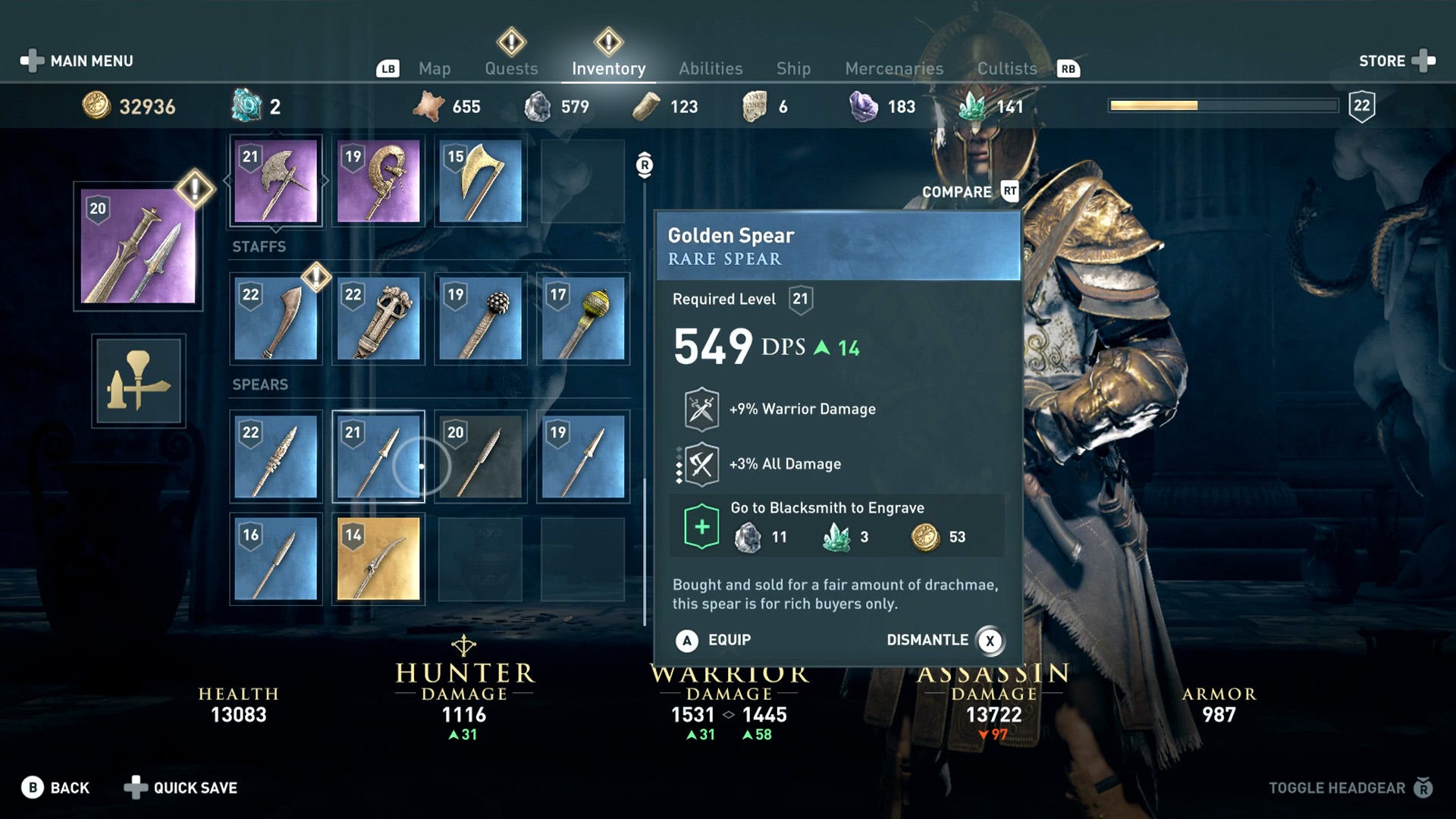
For example, let's look at the recent Assassin's Creed games. These games use randomized loot drops in a manner similar to Diablo. However, much of this loot is functionally just inventory filler, without any real purpose. "Epic" and "Rare" Items are distributed no matter what level you are and at a rate that makes the use of those terms seem laughable. Instead of encouraging exploration, the loot tables discourage exploration in most scenarios, since you will probably get a similar and better weapon just by doing the main quest. These items are then balanced around player level so that there are no major spikes in difficulty. This leads to a very homogenous game feel that is only interrupted by the perks that players get by leveling. It also disrupts verisimilitude since "Rare" "Epic" and even "Legendary" weapons are only useful for a couple of levels before they need to be either replaced or upgraded.
This loot design is frustrating and kills novelty. Instead, it's better to use randomized tables for low level enemies and random encounters, and use Unique Items and weapons as loot rewards for bosses and puzzles. Even then, there are potential missteps.
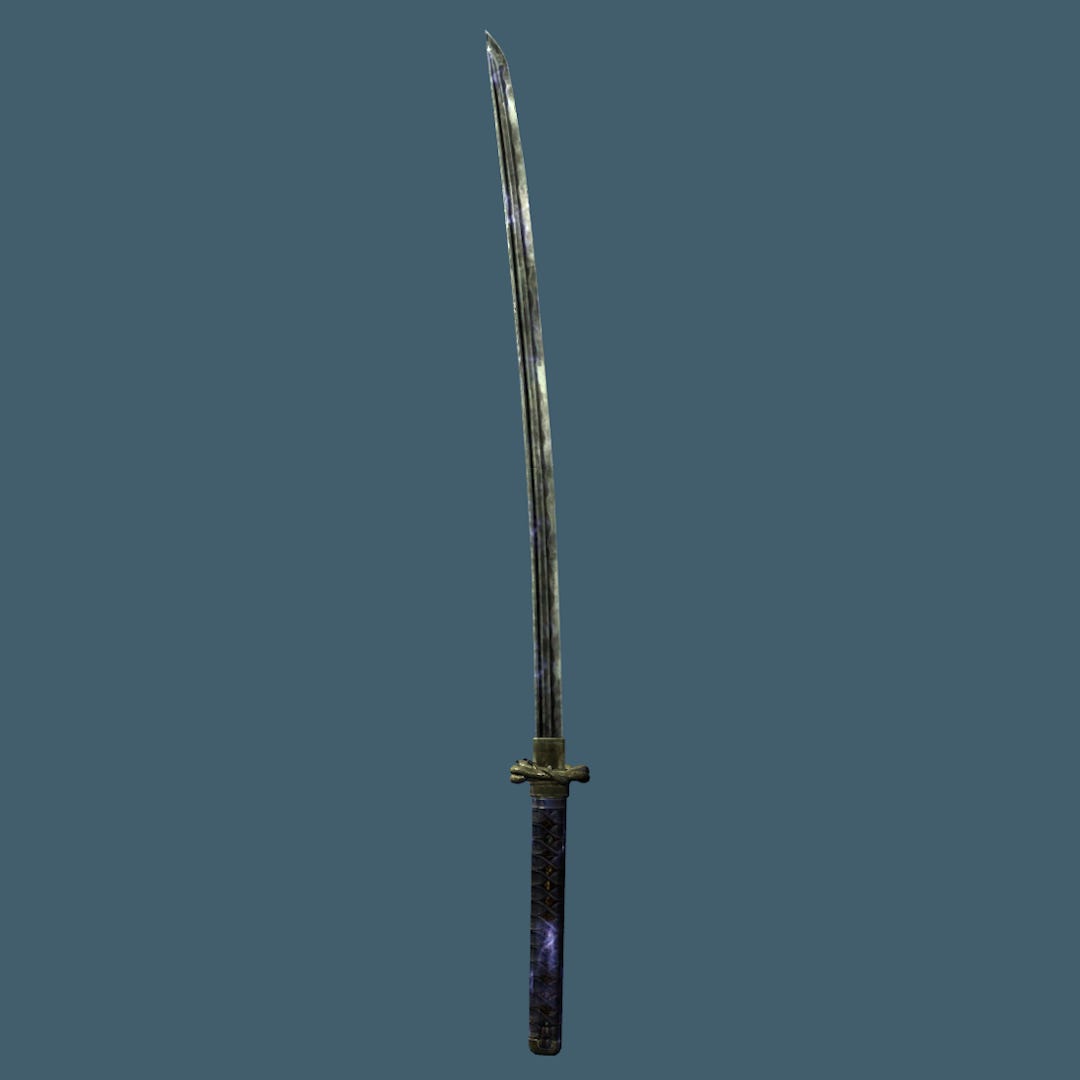
First, let's discuss the worst way to handle unique items: Locked Level Scaling. In Skyrim, if you get Dragonbane at level 7, the sword will be far less useful than if you had waited to collect it until level 35. What is the point of this? Sure, it encourages players to experiment with different weapons, but if a player is happy with their weapon, why make them change it? It reduces their triumph.
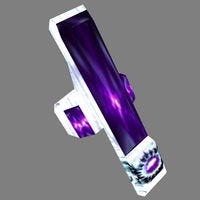
It's better to make the challenge of getting the item equal to the reward. That way, if a level 7 character gets their hands on a sword meant for level 35, they feel good about it. If they can take on that challenge and succeed, then they have earned their prize. This is how Morrowind did it, but this comes with two drawbacks:
Firstly, it can make gameplay easier than intended, reducing challenge into the future. Long term the issue will work itself out, as players move to fight more and more challenging opponents. But in the short term that reduced challenge can also reduce player engagement. The second way it can be a misstep is that in the modern era, most players will have access to guide that can tell them where to go and what to do in order to pick up these items. (Remember, players will optimize the fun out of any game if given the opportunity.) That didn't matter as much in the past, but in the modern era, it can be an issue. Games like Baldur's Gate 3 though still use this method of loot distribution effectively, but only because they aren't open worlds and do a great deal of playtesting.
In the modern open world, it is probably best to do what Cyberpunk 2077 does, and allow players to upgrade unique items so that that it matches their level. This isn't as impactful as letting players get powerful gear early, but it maintains an expected difficulty curve. The downside to this is that dev time is spent creating multiple versions of an item and testing them, instead of creating new items. It's give and take.
Not Loot
Rewards are a broad category and to the right player just about anything can be a reward if it is done well enough. In games like Elden Ring and Dark Souls players often explore in an effort to fight new bosses, this fulfills Reward, Novelty, and Challenge, all at once. Skyrim uses Blackreach, blending curiosity and reward. Assassins Creed rewards curious players with historical facts and context. Cut scenes can also be a form of reward.
Favors, Land, Progression of goals, all of these are a kind of reward that can be used to drive exploration and gameplay. What kind of reward is best for a given situation will depend on what kind of game you are making, and what kind of exploration you want to encourage.
Challenge
In real life, exploration is not easy. And while video games and TTRPG's present the fantasy of exploration rather than the reality, that doesn't mean that they should always be easy either. Challenge is an important part of designing a game for exploration, encouraging player engagement, hopefully without encouraging them to throw their controller through the window.
I have a lot of examples to support this claim too. In some cases, challenge can even be a reward of its own. Games like Dark Souls and Elden Ring thrive on giving challenging opponents to test their skill against, the promise of another boss fight enough to encourage players down the road not traveled. However, challenge alone is not usually enough to encourage exploration. Getting Over it With Bennett Foddy is not most people's idea of a good time.
The difference is that Elden Ring didn't just give me a challenge, it also promised that I could succeed and gave me the tools to do so, either through the support of other players, summons, items, weapons and so on. Challenge without the opportunity for victory isn't fun and it isn't engaging.
At the same time, not every game is Elden Ring, and there is more to challenge than just combat. Platformers often use spikes or other hazards to test player skill and survival games often use environmental hazards to keep players on their toes and force them to evolve their strategies. When designing for challenge, it's important to consider the type of game you are making, and the kind of challenge your players will want to engage with. Not every game is Elden Ring. Not every player wants to constantly test their wits against powerful opponents, but in such cases it's still okay to hide secrets and rewards for players that do enjoy more difficult challenges.
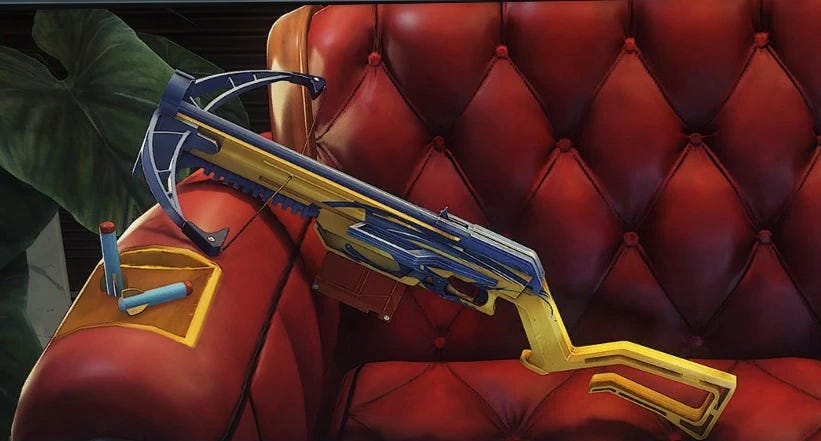
Prey (2017) is another example of how to introduce challenge into exploration gameplay. Prey introduces a number of different environmental puzzles that encourage players to pay attention to detail and provides tools that allow players to get into areas that they shouldn't be able to access yet. This rewards player engagement and creativity, while still providing non-combat challenge.
On the TTRPG side, it's important to distinguish between GM's and designers. As a designer, challenge can be a tough cookie to crack, since it requires a lot of play testing, preferably with a wide number of GM's of differing experience levels. Some groups will steamroll encounters that other groups will struggle with. That's the nature of the beast sadly.
Most adventures, settings, and systems also don't benefit from "come on if you think you are hard enough!" design of a game like Elden Ring. I'm not saying it can't be done, Tomb of Horrors exists for a reason, but most adventures don't work under that kind of strain. At the same time, increasing challenge also has a way of increasing the horror of a given scenario. Enemies in Mothership are brutal, and that is built into the system in order to ramp up tension among players.
For GM's challenge is something you will have to get used to tuning on the spot. Sometimes, the players need an additional wave of goblins, other times the first wave will devastate them. An additional complication is that some systems and adventures will have guides as to how difficult a given encounter is supposed to be, however quite often, those systems don't receive the play testing to confirm that difficulty.
I recommend learning the dice math behind your system, and running a lot of games. It will give you a better feel for how much is too much and when to push difficulty. At the same time, remember, not every fight has to be to the death. A lot of older game systems have morale checks and other ways to ease the difficulty of combat encounters.
Curiosity
Player curiosity is probably the hardest thing to develop for, but it is also the one element of exploration that you need. If players aren't curious, they won't explore. If they don't explore, you don't have a game.
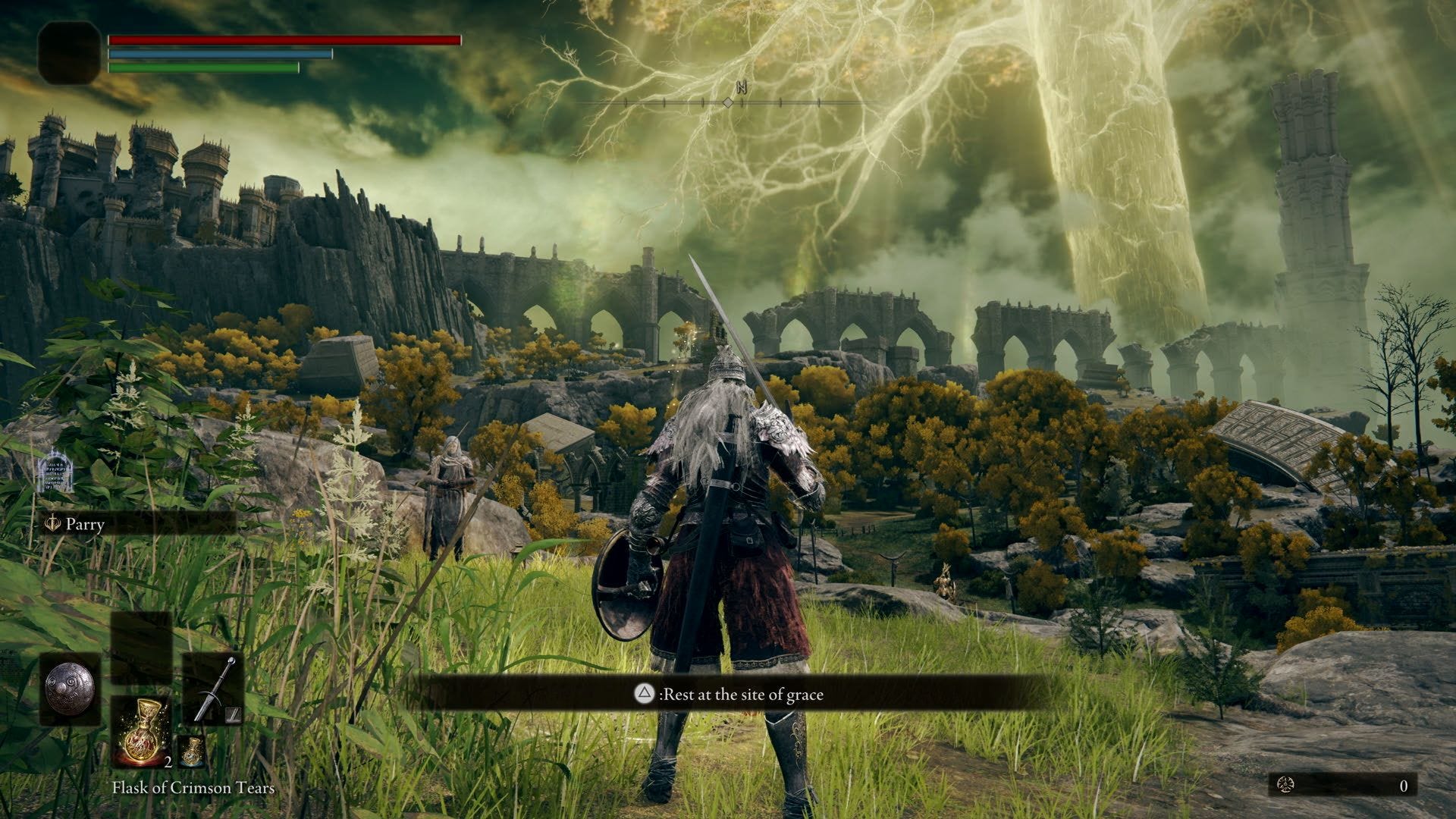
There are tricks to evoking curiosity, but in-depth discussion of those techniques is outside the scope of the essay. Level designers have gotten very good over the years at drawing the eyes of players to where they want it. Landmarks, blocking, visual design, all of these, if used correctly, can instill wonder and curiosity in a player. Rumors, quests, and good setting design can do the same in TTRPGs. However, that curiosity must lead somewhere, and it must be rewarded often enough that players feel their time is respected. It might lead to a challenge, a piece of gorgeous visual design, a rare item, but curiosity must be rewarded in some way if exploration is to be a part of your design.
Starfield, at least in its current state, is the obvious negative example. It punishes player curiosity by using the same locations, quests and encounters over and over again, presenting them to players so often that the game feels smaller than it is. Don't get me wrong, reusing material is good game design. Reusing it so often it breaks players immersion, is not. A large part of Starfield's problem is that random encounters and points of interest are reused and can't distinguish themselves from each other.
On the other hand, Kingdom Come Deliverance and its sequel game encourage player curiosity by using entirely handcrafted content and rewarding that curiosity with cut scenes, quests, scenic views, and combat encounters. Don't get me wrong, these games have issues, but they are able to effectively drive player curiosity and turn it into exploration. Baldur's Gate 3 encourages exploration in an entirely different way: so many possibilities are accounted for in the game's design that often players want to find the rare cases where something wasn't accounted for either in dialogue or by the mechanics.
I'll leave this section off with a word of warning: curiosity is very difficult to maintain in a modern environment where the internet is in everyone's pocket, and an easy answer is a reddit thread away. TTRPG's have some advantage, where home brewing is a possibility and every GM can take a shot at being a game designer. Video games though, are another story. If there is a game, there are probably maps for it, instruction manuals for how to solve its puzzles, monster stats, and so on. These things have to be accounted for in your design. Either integrated, turning the game into a collaborative experience, or discouraged, so that players don't often need these guides and return to the game quickly if they do wind up using them.
The Red Herrings
Before I close out this exhaustively long post, let's discuss a few red herrings. These are the things that either sound good on paper but don't make exploration fun or engaging, or things that need to be further boiled down.
Scale
A lot of games, both TTRPGs and Video games build large open worlds. However, it is worth mentioning that a lot of these open worlds are not actually that interesting or fun to engage with. Scale does not directly correlate with fun. If used correctly it can become a part of the fun, but it is not fun in and of itself.
No Man's Sky is the obvious negative example. The procedurally generated worlds of No Man's Sky aren't particularly engaging in and of themselves. While each world is unique, they all have largely the same feel to them after a few hours. They all have 1-13 different native species, they all have the same 5-10 plants, they all have the same carbon crystals. Don't get me wrong, NMS has real novelty, and even more of it now than ever. But it isn't an exploration game. Exploration isn't the point. Instead, No Man's Sky is a survival game that uses exploration to mask its fairly basic mechanics.
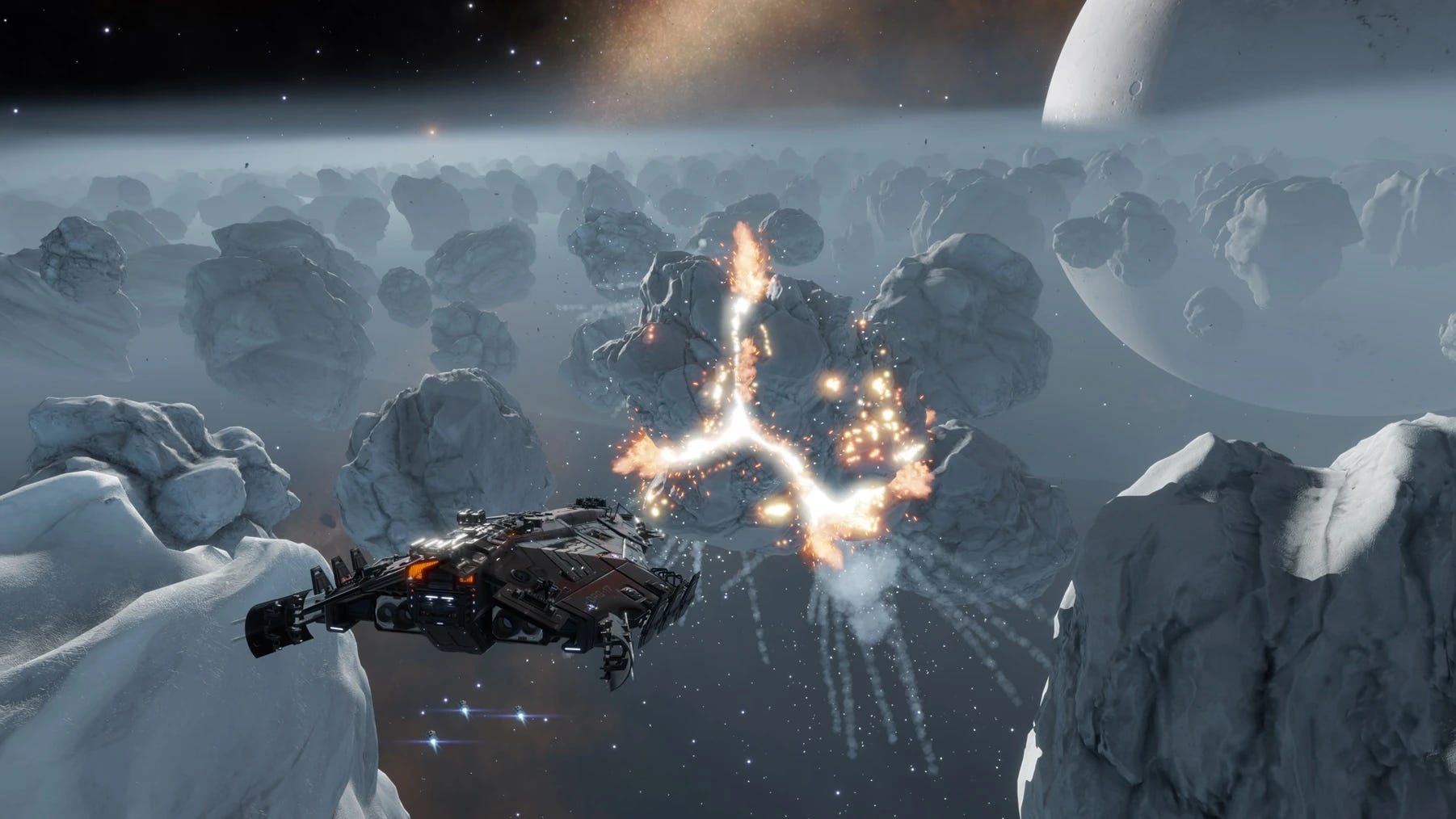
The positive example does essentially the same thing, but more effectively. Elite: Dangerous uses its incredible scale as a setting, reminding players of the danger of space, but also, it's wonder. Every time players jump into a new system, the have to wrestle with the scale of a planet, see the beauty of a gas giant's rings. This setting is then used to enhance the game's actual focus: ship mechanics, trade, and robust combat. Exploration is a way to make money, but it isn't the focus of Elite: Dangerous.
TTRPGs also fall into this trap. Often, consideration is given to a map's size, rather than the quality of what is in that map. This can be an intentional choice, but more often than not it's the result of an overambitious GM. A single small region that is well realized is often better than a massive sandbox without any sense of continuity.
Simulation
Simulation is another red herring. While not wrong-headed in and of itself, Simulation doesn't always make for good gameplay, and if we are making a game, the gameplay should probably be fun.
Plenty of games take the fun out of exploration by turning into a logistics simulator. How much fuel do you have? Do you have enough food for the journey? Is there enough water along the way? This is the problem with a lot of survival mods in Skyrim. The game isn't built around survival, so the boring mechanical requirements don't actually add anything to most people's games. Some will enjoy the addition roleplay opportunities, the chance to slow down and relax in game. But most people will be frustrated with how difficult it suddenly is to sleep in the woods, when Skyrim was never meant to encourage anything other than a power fantasy.
That is not to say the Simulation is a wholly bad thing. Outer Wilds for instance simulate real world physics for some of its puzzles and exploration. Survival games use simulated environmental hazards to steer players into area's appropriate for them. Some amount of friction is necessary, and if that friction comes from simulation, that can be a good thing. But simulation isn't the "End Goal" for most games, and simulationist urges should be kept in check when they aren't a good fit.
Checklisting
Ah, yes. The Dark Lord has finally been summoned.
Checklists are not strictly speaking a bad thing. They can actually be a good thing when players aren't sure if they have actually seen everything an area has to offer. But by and large they remove incentives for players to actually engage with the activity of exploration.
By removing the sense of the unknown, players know the limits of what they can and can’t engage with. This kills a game's sense of atmosphere, destroys the believability of the world, and encourages players to play games in ways that aren't actually that fun and actively disrupt the intent of the game designers. In Breath of the Wild, the devs even had a laugh by rewarding players who found all the Korok seeds with a Golden Poo: the game wasn't meant to be played that way.
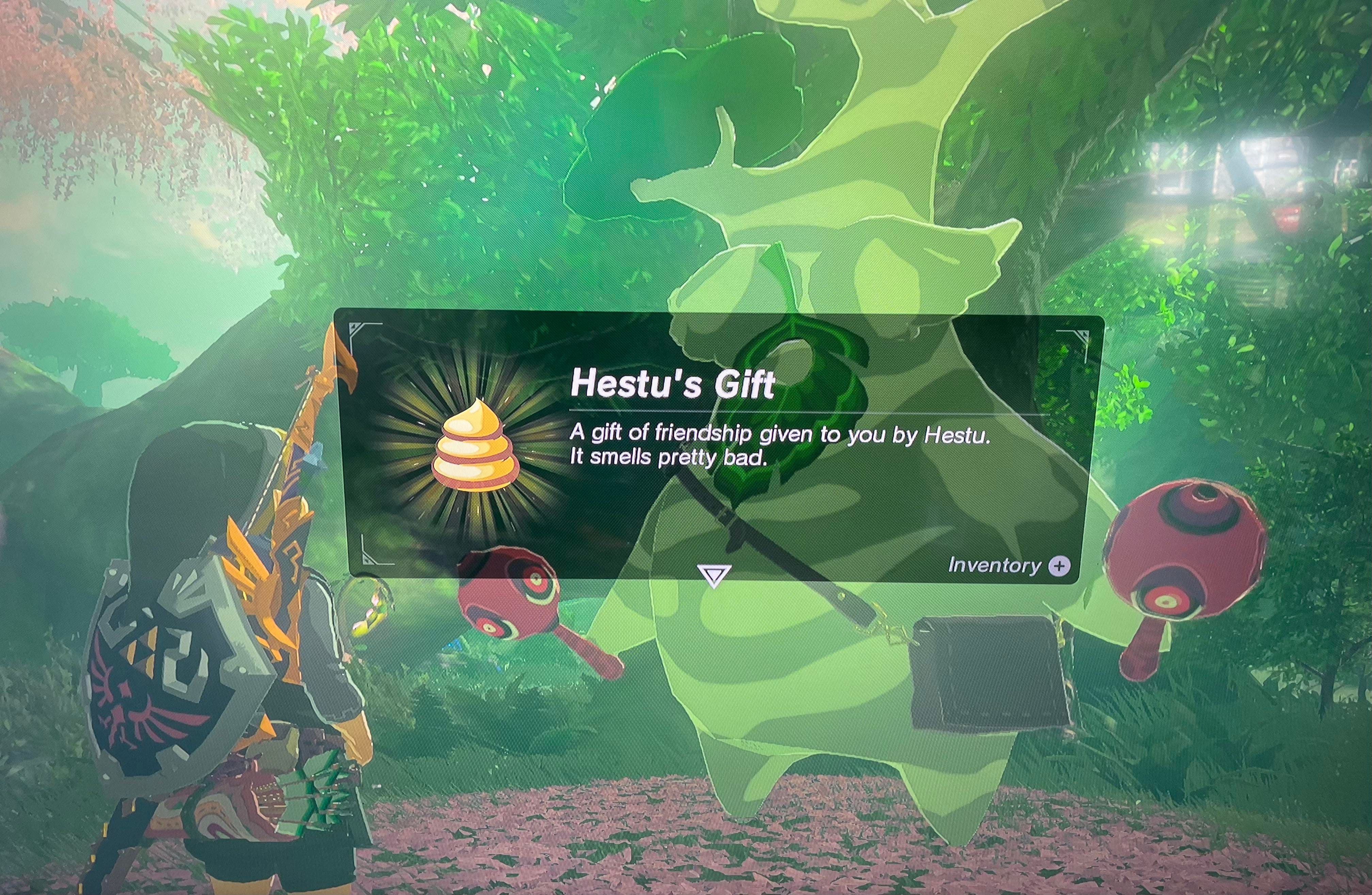
In the same way, introducing checklisting into TTRPGs kills player creativity, encouraging them to think about their environment as if they were in a video game. This means they often start thinking about every battle in terms of killing everything, and look at adventures and maps in ways that don't hold up to scrutiny. Instead of breathing in the world and getting a sense of its wonder and danger, players are concerned about visiting everything and obsessing over every possible location. This kind of completionist thought tends to suck the life out of games and in turn, reduces player enjoyment.
Final Thoughts
Over the course of this post, I've covered a lot of ground and touched on a lot of different ideas. But I want to once again emphasize that I am not a serious game designer. I could be wrong on more than one front.
My intent with all of this was not to trash anyone's favorite game, but to explore how game development is different when looked at through the lens of exploration. Personally, I think this is a subject that hasn't seen enough thought (and possibly enough money) put into it in the Video Game industry, and many of the lessons learned in this post I think can also help amateur TTRPG designers hone their craft. That said, if you have thoughts, I am happy to hear them. Please by all means leave a comment or send me a DM and I'll get back to you as soon as I have time. I hope everyone enjoyed reading this, and I'll leave links to resources below if you want to further explore this topic.
If you would like to support me monetarily, you can do so by clicking this button:
Thanks for reading. And I will see you next week, for the Preatermancy monthly roundup.


Great read. Looking forward for more from you.
On TTRPGs in particular, it's easy to forget that exploration in D&D was originally driven by competition. Gygax and Arneson each had one dungeon with multiple groups. If you wanted the best loot and XP, you had to seek out new areas. Modern design keeps the shape of the dungeon the same but loses that motivating pressure.